Isometric Graph Paper: Printable Grid, Dot and Hex Sheets
Free isometric graph paper maker: choose grid lines, dots or hexagons, set the spacing in mm or inches, pick A4, A3, Letter, Tabloid or Legal, and download a vector PDF that prints at true size. Lines run at exact 30°, 90° and 150°, and nothing is uploaded.
- Free, nothing uploaded
- Exact spacing in mm or in
- Grid, dot or hex
- Vector PDF, SVG, DXF
Paper settings
Points 5 mm apart on every line; parallel lines 4.33 mm apart. Range 3 to 50 mm.
Live preview
A4 portrait · 210 × 297 mm · Grid lines43 columns × 56 points per column · lines 4.33 mm apart · 197 lines
Print the PDF at 100% (Actual size), not Fit to page, so the spacing on paper is exact. Made in your browser; nothing is uploaded.
Examples
Isometric graph paper examples made in this tool
Six sheets written by this generator. Hover a card for the whole page, download the PDF, or open its settings in the builder.
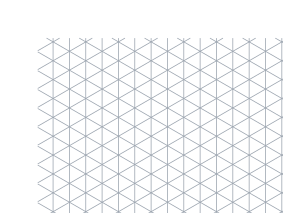
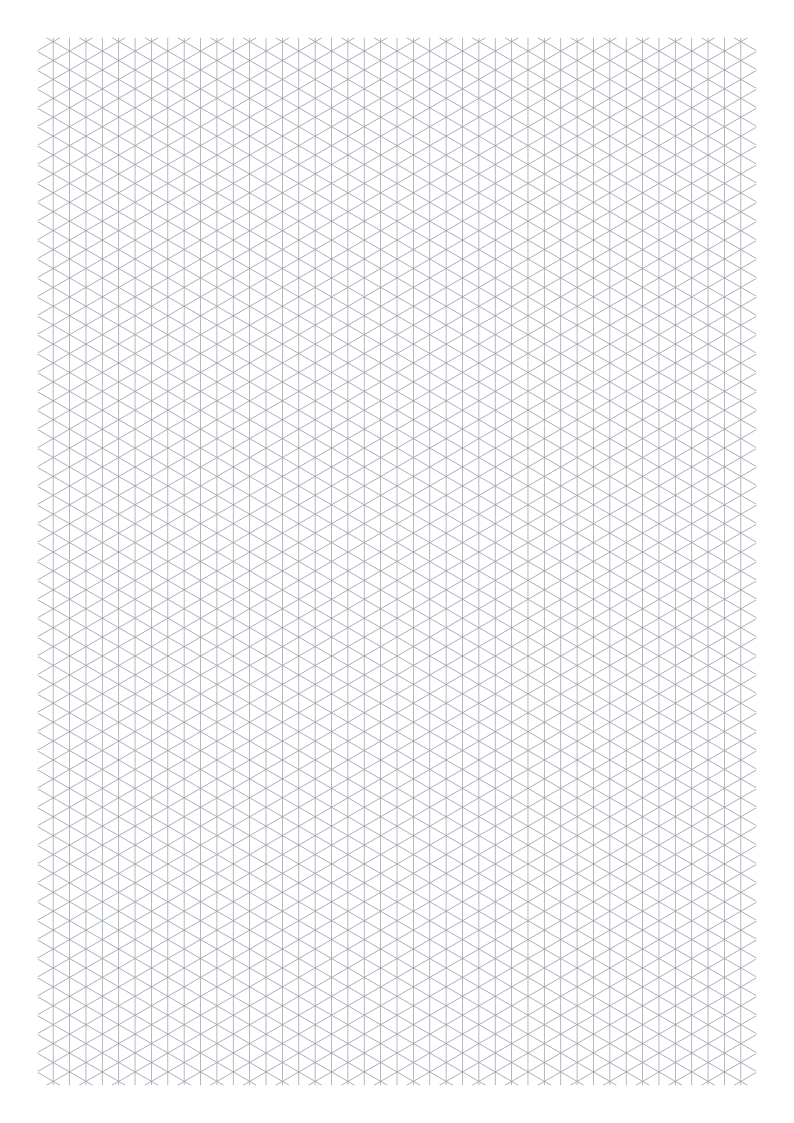
A4 · 5 mm
Everyday 5 mm isometric grid paper
The default sheet: grey 0.2 mm lines on A4 portrait, 43 columns with lines 4.33 mm apart. Faint enough to disappear under pencil.
Made here · A4 portrait · 5 mm grid lines · 43 × 56 points
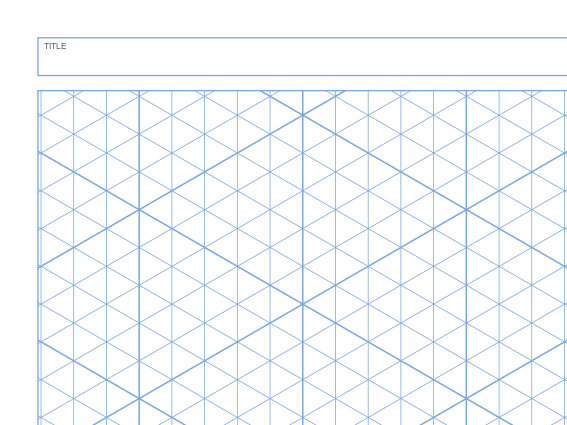
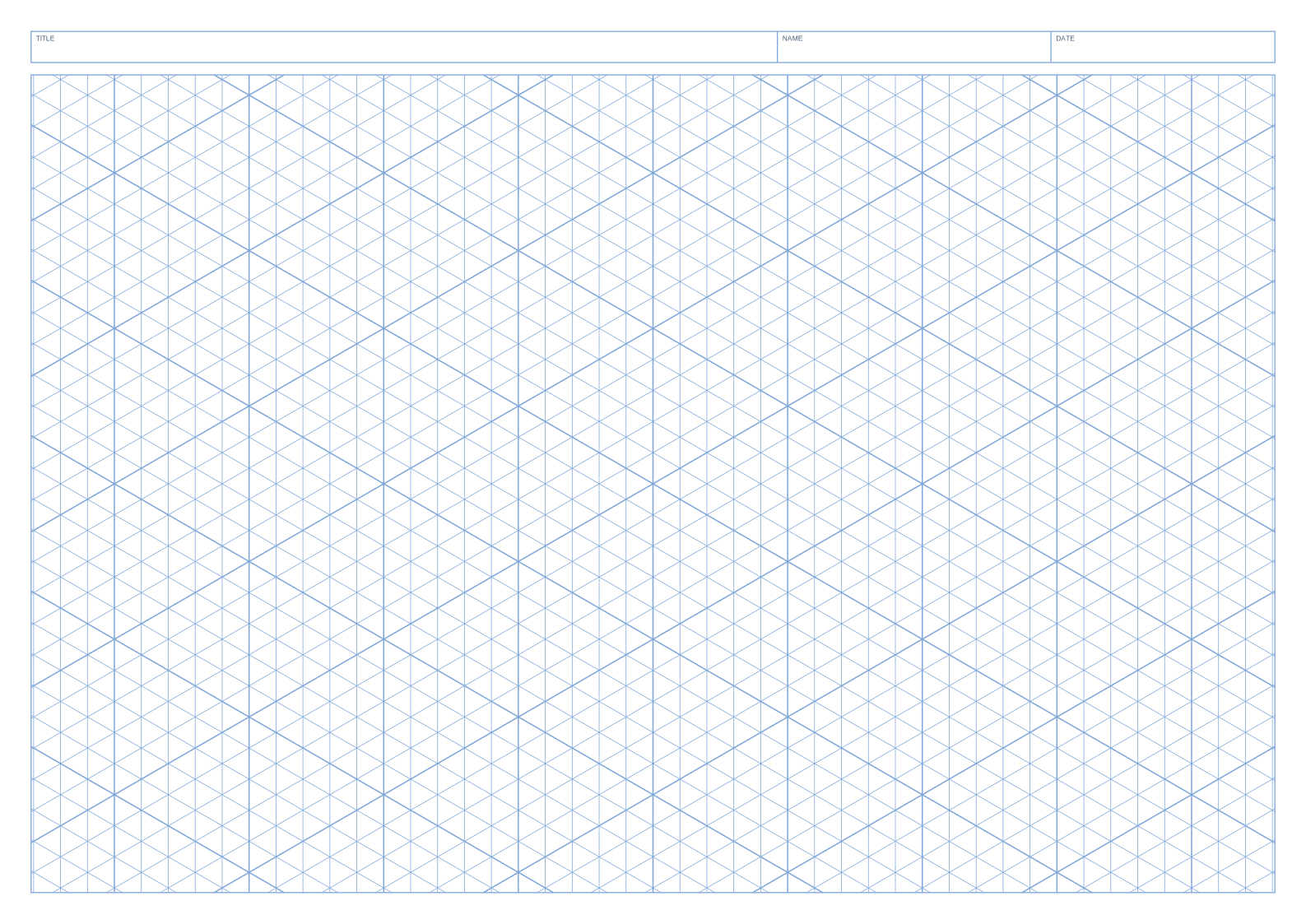
A3 · 10 mm
A3 worksheet with a title strip
Light blue 10 mm grid on A3 landscape, 47 columns, a heavier line every fifth space, a border, and title, name and date boxes for class sets.
Made here · A3 landscape · 10 mm grid lines · 47 × 27 points
Letter · 1/4 in
Isometric dot paper in quarter inches
US Letter with 0.8 mm dots every 1/4 in. Only the points print, so an inked drawing looks clean.
Made here · Letter portrait · 0.25 in dots · 35 × 41 points
A4 · hexagons
Hexagon paper on the same lattice
Pointy top hexagons with 8 mm sides on A4 landscape, every edge on a 30°, 90° or 150° line. Good for tiles, game maps and molecules.
Made here · A4 landscape · 8 mm hexagons · 972 edges
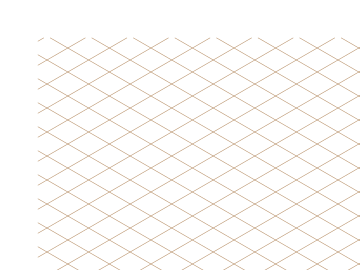

Tabloid · diagonals
Diagonals only, on Tabloid
11 × 17 in landscape with sepia 0.15 mm lines and the verticals switched off: a rhombus grid of 30° and 150° lines.
Made here · Tabloid landscape · 0.25 in grid lines · 75 × 41 points
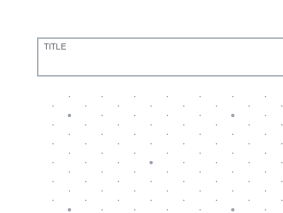
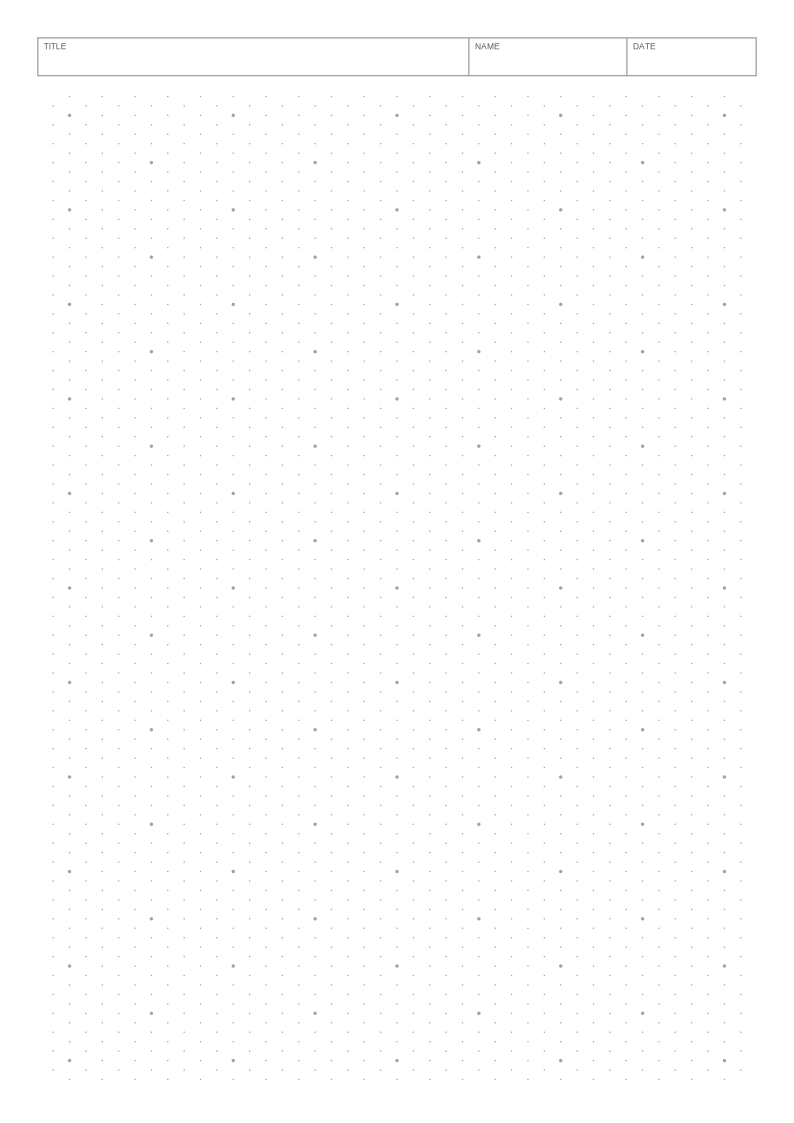
A4 · counting dots
Dot paper with counting points
5 mm dots with a bigger point every fifth space and a title strip, so lengths can be counted at a glance.
Made here · A4 portrait · 5 mm dots · 43 × 53 points
How it works
How the isometric paper generator draws the grid
The preview, PDF, SVG and DXF share one geometry, so the sheet you see is the sheet you print. Every figure here is drawn by this generator.
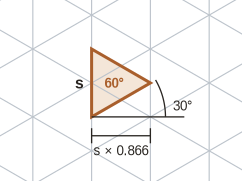
One cell drawn at 18 mm: verticals 15.59 mm apart, 60° corners
Sketch pad
Draw on isometric grid paper right here
Click grid points to draw lines that snap to the lattice; click the last point again to finish a line. Download the sketch over the grid as an A4 PDF or SVG.
0 lines, 0 edges · 10 mm grid
- Heights go up the vertical lines; widths and depths follow the 30° and 150° lines, one space per unit.
- Start with the nearest vertical edge of a box, then run the two bottom edges back along the diagonals.
- Slopes and chamfers join grid points off the axes, and a circle becomes an ellipse inside a rhombus.
- Axis lengths are drawn full size: an isometric drawing, not a foreshortened isometric projection.
How to
How to make printable isometric graph paper in 3 steps
No account and no install. A sheet takes about a minute from settings to printer.
STEP 1
Choose the paper
Pick grid lines, dots or hexagons, then A4, A3, Letter, Tabloid or Legal in portrait or landscape. Set the spacing in millimetres or inches.
STEP 2
Style the sheet
Choose a line weight from 0.1 to 0.5 mm or a dot size, a color, heavier lines every 5 or 10 spaces, margins, a border and the title strip. The preview redraws as you go.
STEP 3
Download and print
Press Download PDF and print it at 100% on the paper size you chose. SVG and DXF are there for editors and CAD.
Print at 100%
Turn off "Fit to page" or "Shrink oversized pages", or every space prints a few percent small.
Keep a margin
Most desktop printers can't reach the paper edge; the default 10 mm margin works on nearly all of them.
Light colors
Grey or light blue lines stay in the background under pencil and fade on a photocopy.
Check one length
After printing, measure ten spaces along a vertical line: at 5 mm they should be 50 mm.
Specs
Isometric graph paper specs and limits
What the generator makes, how many points fit on a sheet, and what it leaves to you.
- Paper types
- Grid lines (90°, 30°, 150°), dots on the lattice points, or pointy top hexagons
- Paper sizes
- A4, A3, US Letter, Tabloid (11 × 17 in) and Legal, portrait or landscape
- Spacing
- Triangle side 3 to 50 mm or 0.12 to 2 in; parallel lines sit spacing × 0.866 apart
- Lines and dots
- Lines 0.1, 0.15, 0.2, 0.3, 0.5 mm; dots 0.4 to 1.4 mm; any color; heavier every 5 or 10
- Sheet extras
- Margins 0 to 40 mm, border, title strip with title, name and date boxes, verticals on or off
- Columns × points
- A4 at 5 mm: 43 × 56; A3 at 5 mm: 63 × 81; Letter at 1/4 in: 35 × 41; Legal at 1/4 in: 35 × 53 (portrait, 10 mm margins)
- Files
- Vector PDF with the page set to the paper, SVG in mm, DXF R12 in mm with GRID and FRAME layers
- Where it runs
- In your browser tab; settings and files never leave your computer
It does
- Compute every line, so all triangles are equilateral
- Centre the lattice on the sheet for even margins
- Make isometric dot paper and hexagon paper on the same points
- Write a PDF page at the true paper size, ready to print
- Let you sketch on the grid and download the drawing
It does not
- Print by itself: open the PDF and print it at 100%
- Make PNG or JPG images; SVG and PDF scale better
- Draw grids at angles other than 30°, 90° and 150°
- Turn a sketch into a 3D model or a CAD part
- Go past the printable area of your printer
Uses
Where isometric paper earns its place
Isometric paper turns three dimensional ideas into quick, measured sketches. For finished views of a part, try the isometric drawing generator.
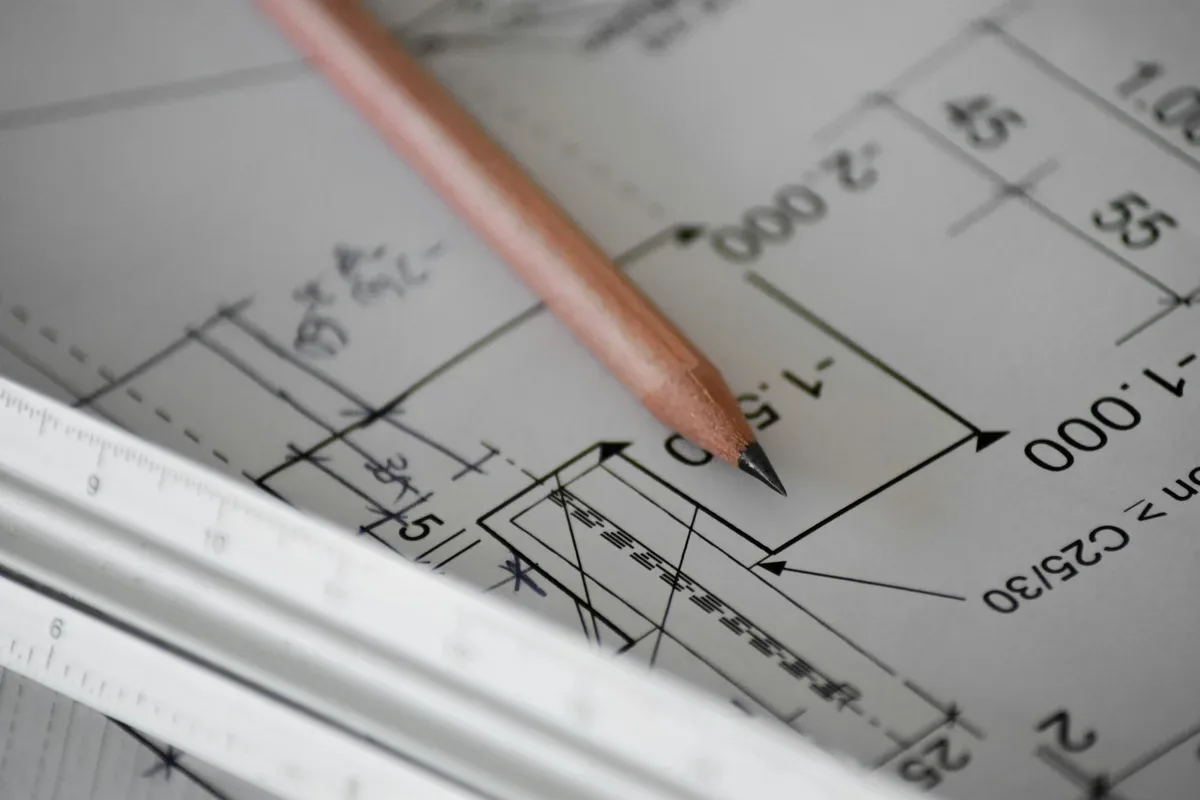
Technical drawing lessons
Students learn the three axes by counting spaces: boxes, steps and brackets without a protractor.
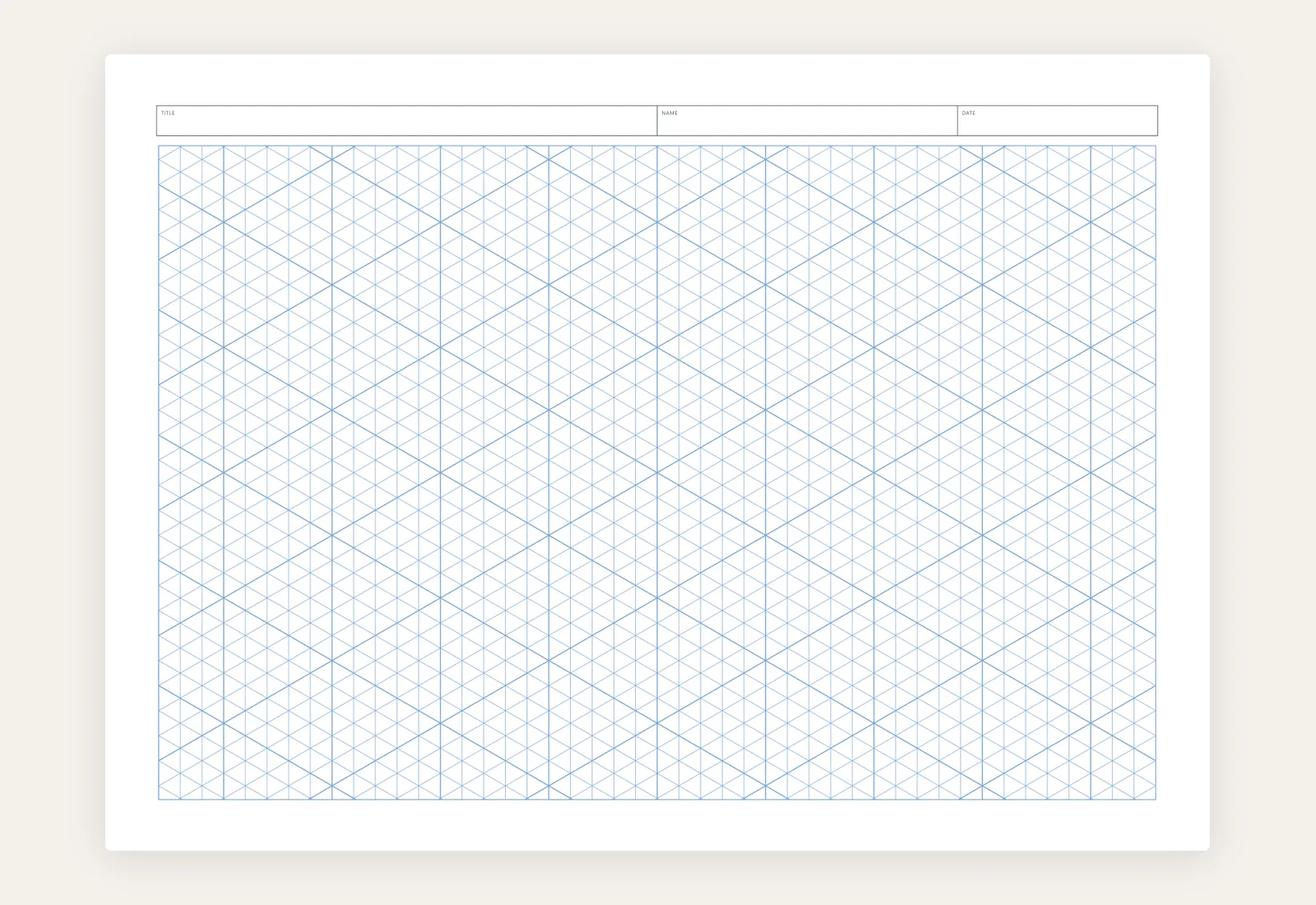
Worksheets and class sets
A3 or A4 sheets with a title strip for names and dates. Pictured: a partner demo sheet.
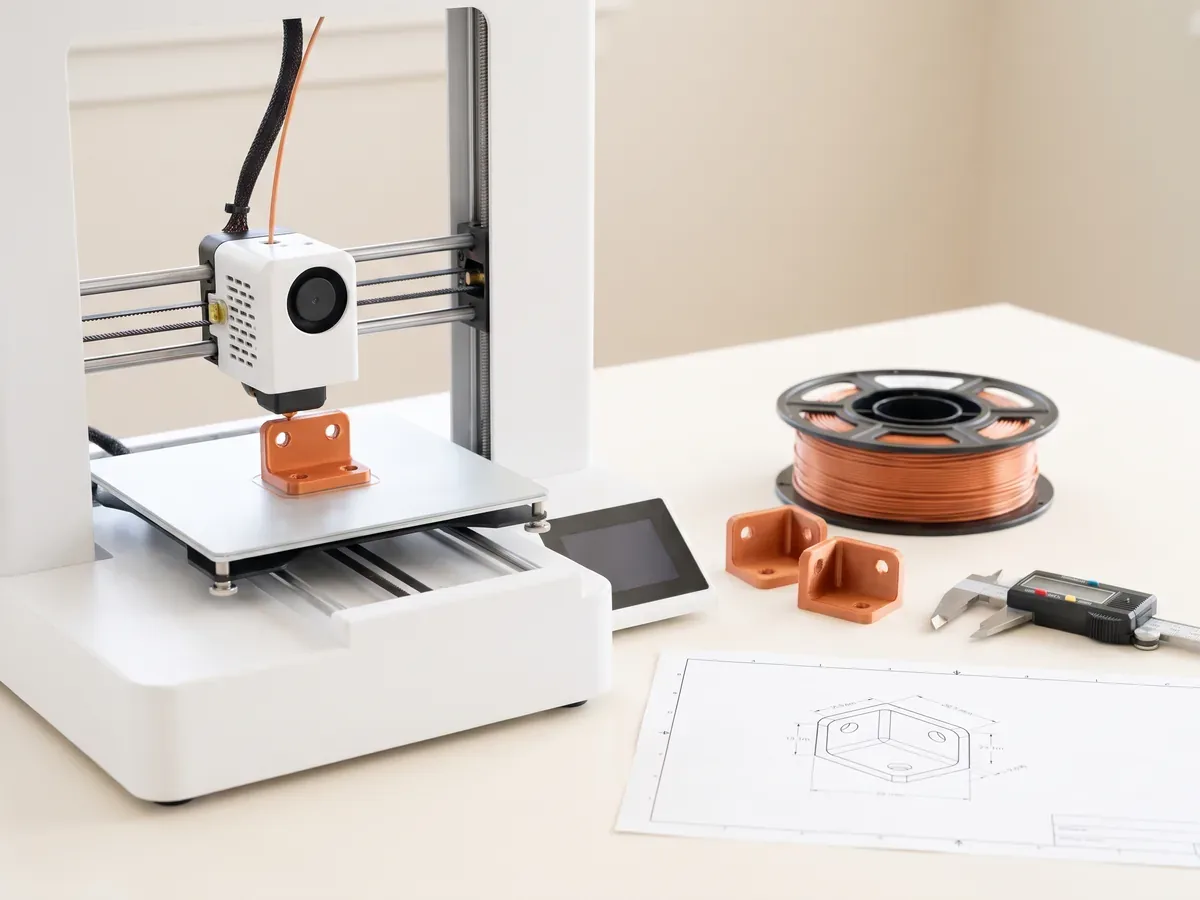
Product and 3D print ideas
Sketch a part with its depth before you model it, then read its size off the grid.
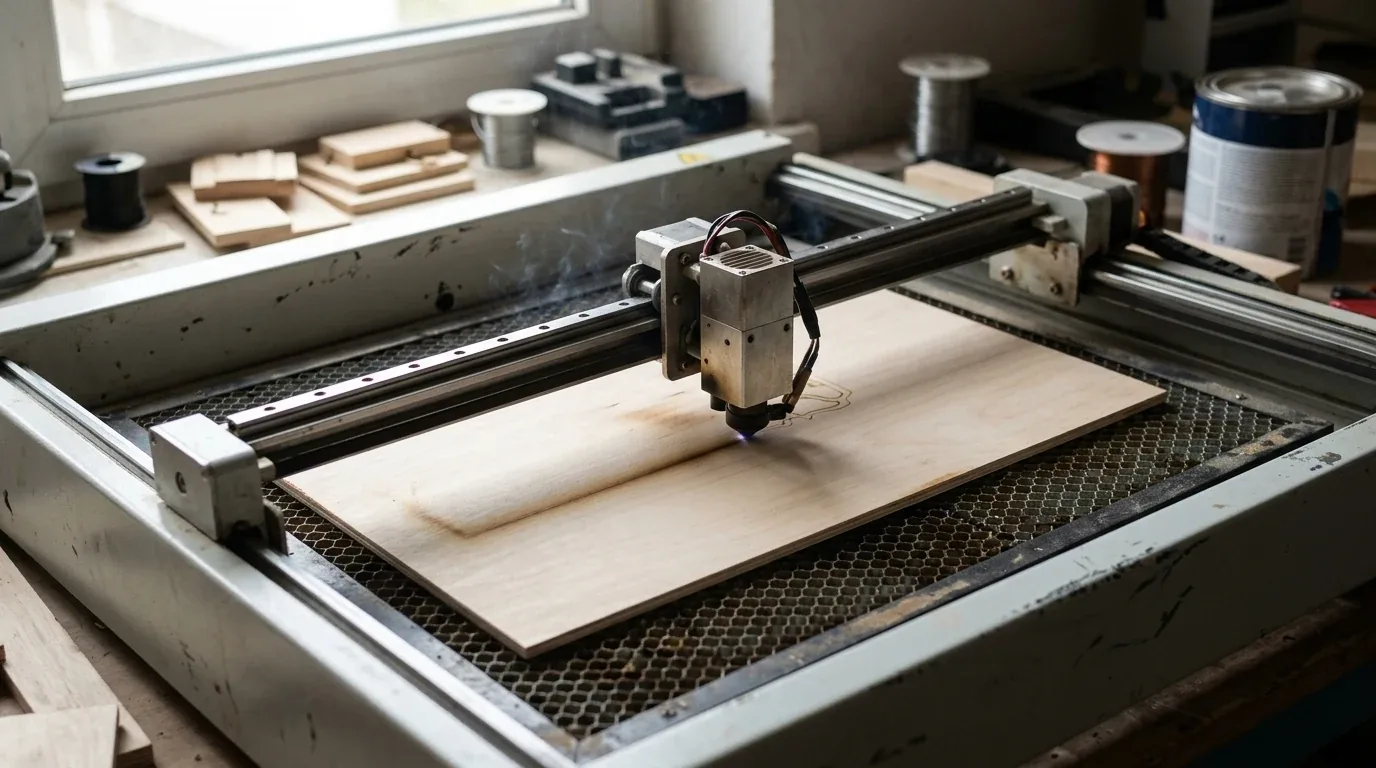
Woodwork and laser projects
Plan boxes, shelves and joints on a 10 mm grid where each space is a real centimetre.
Isometric graph paper FAQ
Spacing, printing, dots versus lines, and how isometric paper relates to CAD.
What is isometric graph paper?
Isometric graph paper is a triangular grid: vertical lines plus lines at 30° and 150° to the horizontal, crossing to form equilateral triangles that group into hexagons. The three directions are 120° apart, like the axes of an isometric view, so cubes and brackets can be sketched without measuring angles.
What does the spacing setting measure?
The side of one triangle: the distance between neighbouring points along any line. On a 5 mm sheet the points are 5 mm apart on every line, and parallel lines are 5 × 0.866 = 4.33 mm apart.
Which spacing should I choose?
5 mm or 1/4 in suits most sketching on A4 or Letter. Use 4 mm for dense detail, and 10 mm or 1/2 in for children, lessons or drawings you will photograph. The generator accepts 3 to 50 mm or 0.12 to 2 in.
How do I print isometric graph paper at the right size?
Open the PDF and print at 100% or "Actual size" on the same paper you picked. Fit to page shrinks the grid by a few percent. Keep a margin of several millimetres, since most printers cannot print to the edge.
Is this printable isometric graph paper free?
Yes. There is no sign up, watermark or limit, and the PDF, SVG and DXF are written in your browser. Nothing you set is sent to a server.
Grid lines or isometric dot paper: which is better?
Lines guide every edge, which helps beginners. Isometric dot paper shows only the lattice points, so the drawing looks cleaner once it is inked; it is also popular for geometry, pixel style art and patterns.
What is hexagon paper used for?
Hex paper suits tile and quilt patterns, board game maps, chemistry rings and honeycomb layouts. Here the hexagons share the isometric lattice, so you can mix hex shapes with isometric sketches.
Is a drawing on isometric paper a true isometric projection?
Not quite. On isometric paper the axis lengths are drawn full size, which is called an isometric drawing. A true isometric projection shortens all three axes to about 82%; the shape is the same, only smaller.
Can I use inches?
Yes. Switch the spacing unit to inches and pick 1/8, 1/5, 1/4, 1/2 or 1 in, or type any value from 0.12 to 2 in. The page sizes stay exact, so US Letter is 8.5 × 11 in.
Can I open the paper in Illustrator, Inkscape or CAD?
Yes. The SVG is set in millimetres and opens at true size in vector editors. The DXF is R12 in millimetres with the grid on its own layer, so you can lock it under a CAD sketch.
Why do the left and right margins look the same but the top differs?
The lattice is centred on the grid area, so the side gaps match. Rows are s apart and columns s × 0.866 apart, so the last space before a margin is often partial; with the border on, lines stop at the frame.
Can I turn an isometric sketch into a CAD drawing?
This page makes paper and simple sketches only. Photograph a finished sketch and trace it with sketch to CAD, or describe the part to the AI isometric drawing generator, which uses credits.
Make your isometric graph paper now
Pick the paper, the spacing and the style, then print the PDF at 100%. It all happens in this tab.
Make paper